The Ultimate Guide to Bird Impact Reduction Solutions: Protecting Avian Wildlife


Understanding the Impact of Bird Collisions
Every year, millions of birds fall victim to collisions with man-made structures. These incidents contribute significantly to the decline of avian populations worldwide. From glass windows to wind turbines, various structures pose threats to birds, disrupting their natural flight paths and leading to fatal accidents.
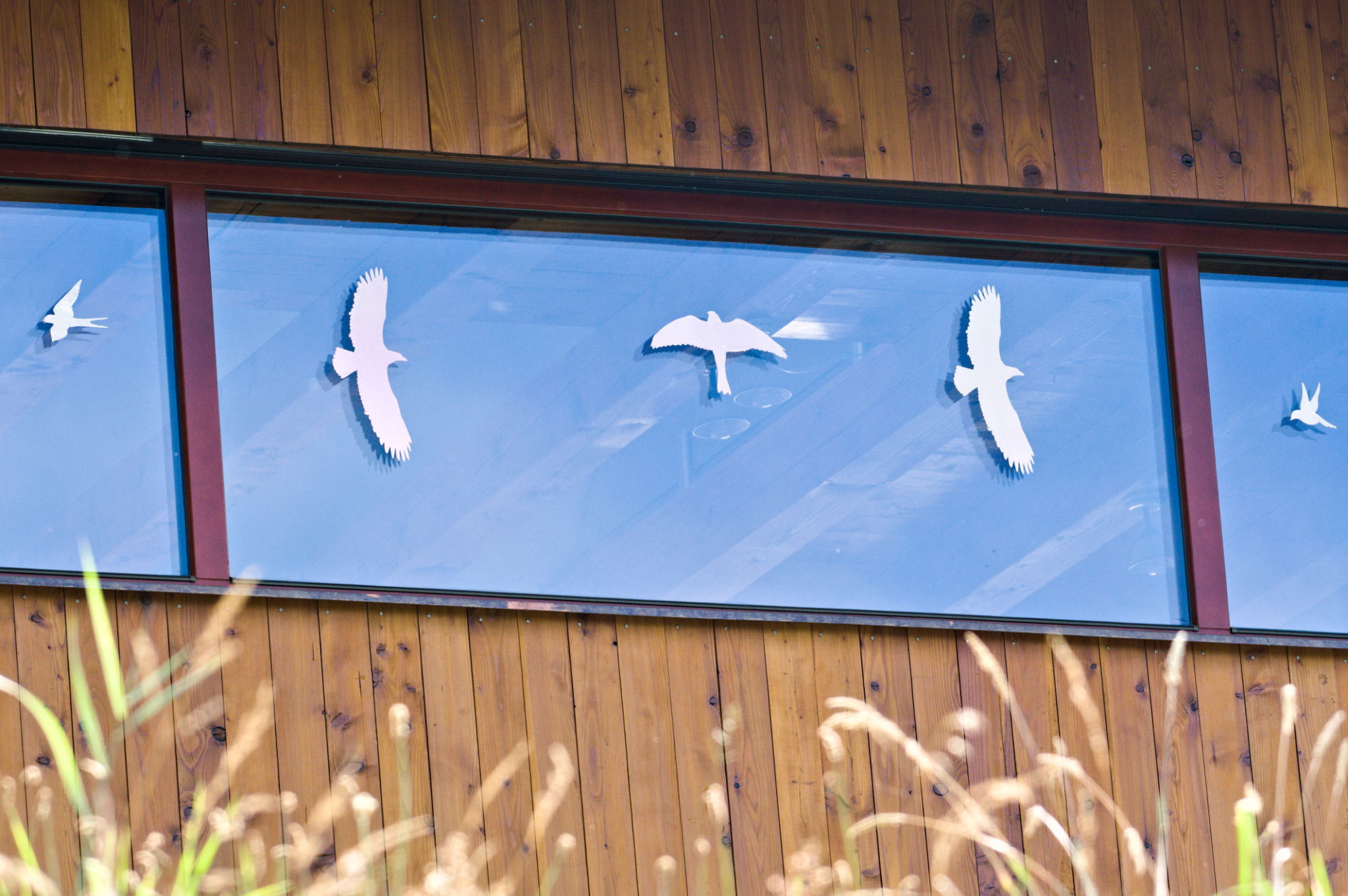
Birds often fail to recognize glass as a barrier, mistaking reflections of the sky and vegetation for open space. This misunderstanding leads to high-speed impacts and severe injuries. Addressing this issue is crucial for the conservation of bird species and maintaining ecological balance.
Innovative Solutions for Bird Impact Reduction
Bird-Friendly Glass Design
One of the most effective solutions involves the use of bird-friendly glass. This type of glass incorporates patterns that are visible to birds, deterring them from flying into windows. Patterns can range from subtle etchings to more prominent designs, all aimed at making glass surfaces recognizable as barriers.
Studies show that applying these patterns significantly reduces bird collisions. Homeowners and businesses alike can adopt this solution to make their buildings safer for avian wildlife.
Technological Advancements
In recent years, technology has played a pivotal role in bird impact reduction. Devices such as ultrasonic deterrents emit sounds at frequencies that birds can hear but humans cannot, effectively steering them away from potential hazards.

Additionally, radar technology is being used to monitor bird movements and adjust the operations of wind turbines in real-time, minimizing the risk of collisions. These advancements highlight the intersection of technology and conservation efforts.
Community and Policy Initiatives
Public Awareness Campaigns
Raising awareness about bird collisions is essential for community involvement in conservation efforts. Educational campaigns can inform the public about the importance of protecting bird species and the simple steps that can be taken to reduce impacts, such as installing window decals or using external shading devices.
Communities can also organize events and workshops to educate residents on how to make their homes and local buildings more bird-friendly.
Legislative Measures
Government policies play a crucial role in driving large-scale change. Legislation requiring the use of bird-safe building materials in new constructions can significantly reduce collision rates. Incentives for retrofitting existing structures with bird-friendly solutions can also encourage widespread adoption of these practices.

Such measures not only protect avian wildlife but also contribute to broader environmental sustainability goals, highlighting the importance of policy in conservation efforts.
Conclusion: A Collective Responsibility
Protecting birds from collisions is not solely the responsibility of environmentalists but a collective effort that involves individuals, communities, businesses, and governments. By implementing effective bird impact reduction solutions, we can safeguard avian wildlife and preserve the natural beauty and biodiversity of our planet.
As awareness and technology continue to evolve, there is hope for reducing the number of bird collisions, ensuring that future generations can enjoy the vibrant presence of birds in our ecosystems.